
01 / GUIDE · Pillar 1

Cruise & Cargo Ships

A guide for anyone interested in working at sea — from zero to onboard
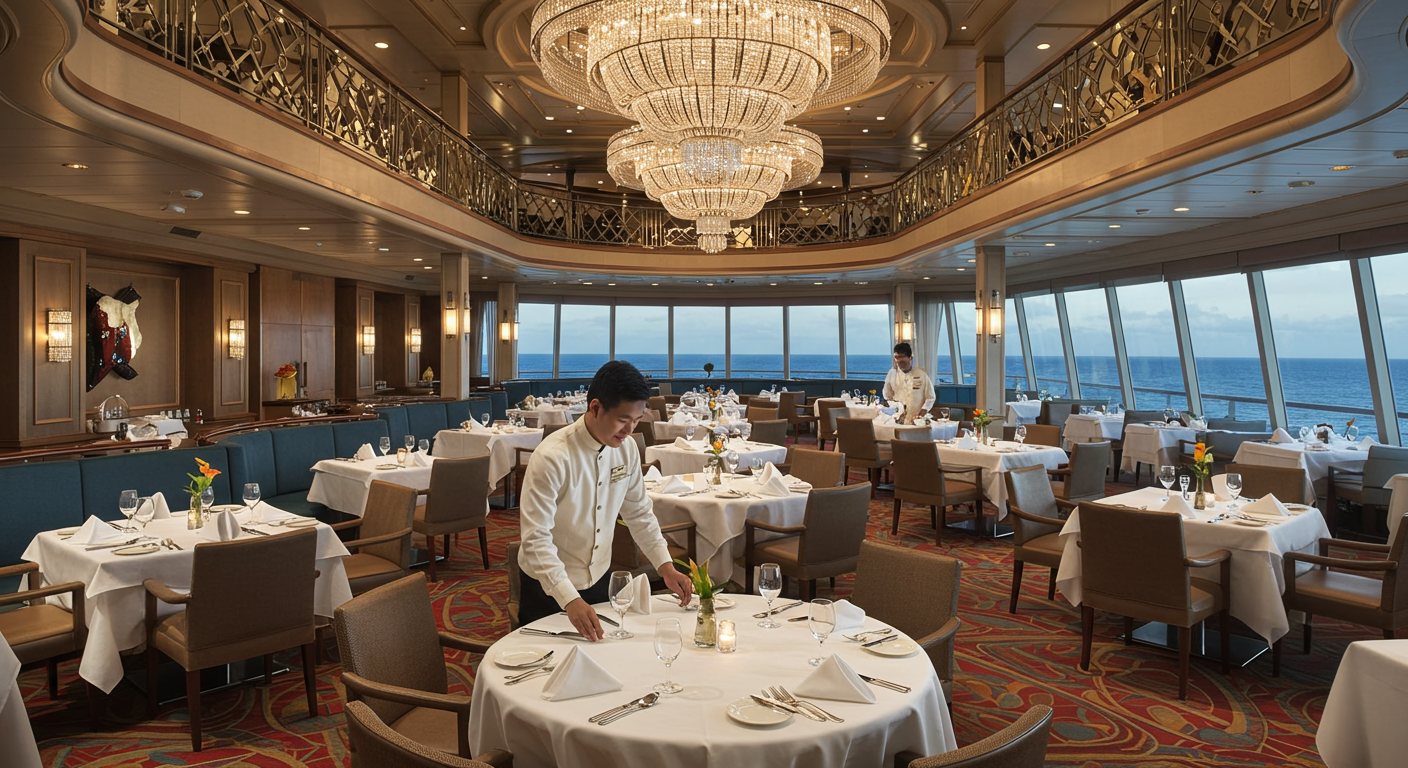
Fine-dining restaurant on a cruise ship with a smiling crew member serving guests
02 / Cruise

Cruise Ship Life

02 / The Cruise World

What is a cruise ship?
Why people love working at sea.

A cruise ship is essentially a 5-star hotel floating on the ocean. Passengers pay thousands of dollars to sail to ports around the world — and thousands of crew members are the people who make that experience possible.

History

Modern cruise tourism began in the 1970s when companies like Royal Caribbean and Carnival started building large purpose-built ships for tourists. The industry has grown steadily since: today there are more than 300 cruise ships worldwide, carrying over 30 million passengers a year.

What is on a cruise ship?

Imagine a 20-storey building floating in the middle of the ocean, with 20+ restaurants, swimming pools, casinos, theatres, spas, gyms, shopping arcades and 2,000–7,000 guest cabins. The largest ships, like Royal Caribbean's Wonder of the Seas, are bigger than the Empire State Building and carry over 9,000 people.

Thai crew in this industry

Thai crew are highly sought after in the cruise industry, known for warm service, smiles and attention to detail. Tens of thousands of Thais work on cruise ships worldwide today, in every role from Waiter all the way up to Executive Chef.

03 / Cruise Departments

Departments and roles on a cruise ship

Cruise ships have over 10 departments — whatever your skill set, there's a role for it.

Hotel Department

  • Hotel Director$6,000-$12,000
  • Guest Services Manager$3,500-$6,000
  • Purser$2,200-$3,500

Food & Beverage

  • Executive Chef$5,000-$10,000
  • Sous Chef$3,000-$5,000
  • Cook / CDP$1,800-$3,000

Housekeeping

  • Housekeeping Manager$3,500-$5,500
  • Cabin Steward / Stewardess$1,500-$2,500
  • Laundry Attendant$1,200-$1,800

Entertainment

  • Cruise Director$4,000-$7,000
  • Entertainer / Musician$2,500-$5,000
  • Casino Dealer$2,000-$3,500

Spa & Fitness

  • Medi-Spa Physician$5,000-$15,000
  • Acupuncturist$2,500-$4,500
  • Spa Therapist$2,000-$4,000

Retail

  • Shop Manager$2,500-$4,000
  • Sales Associate$1,500-$2,500

Deck Department

  • Captain / Master$8,000-$20,000
  • Chief Officer$5,000-$12,000
  • 2nd Officer$3,500-$6,000

Engine Department

  • Chief Engineer$7,000-$18,000
  • 2nd Engineer$5,000-$10,000
  • 3rd Engineer$3,000-$5,500

Medical

  • Ship Doctor$8,000-$15,000
  • Nurse$3,500-$5,500

6–9 month contracts

Top-4 senior roles run 4–6 months

8–12 hours/day

No days off for the whole contract

Tips + Commission

Many roles earn tips on top of salary

Shore leave at every port

Shore leave worldwide whenever the ship is in port
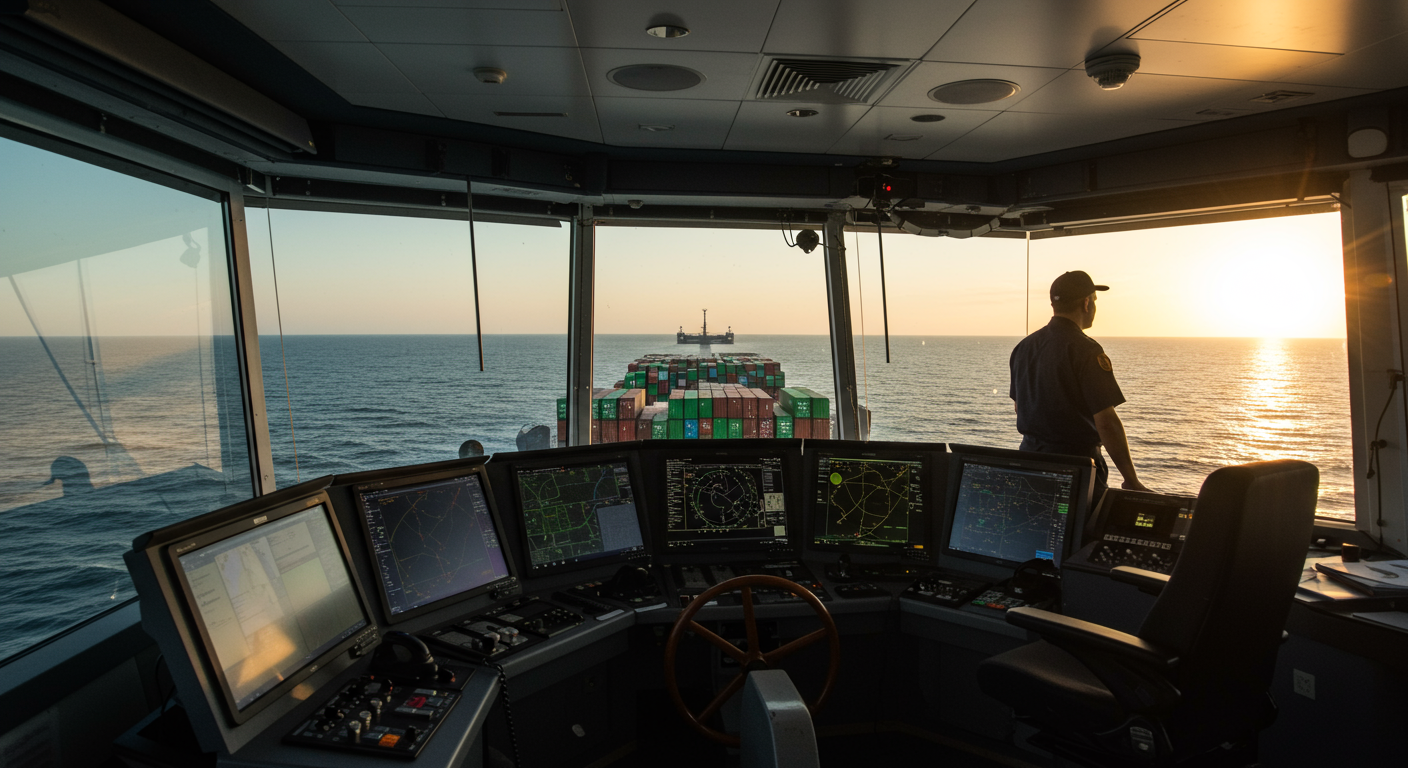
Bridge of a large container cargo ship
04 / Cargo

Cargo Ship Life

04 / The Cargo World

What is a cargo ship?
The backbone of world trade.

About 90% of all goods on the planet travel by sea. The smartphone in your hand, the clothes on your back, the fuel in your car — they all passed through the hands of merchant crew before they reached you.

How many types of cargo ships are there?

Cargo ships come in many forms, classified by what they carry:

Container ShipCarries standardised steel containers — the most common cargo type.
Bulk CarrierCarries loose dry cargo such as grain, coal and ore.
Oil TankerCarries crude oil and petroleum products.
LNG CarrierCarries liquefied natural gas — requires highly specialised crew.
General CargoCarries mixed general cargo: machinery, timber, construction equipment.
Offshore VesselSupports offshore oil and gas platforms.

Life on a cargo ship

Unlike cruise ships with thousands of passengers, a cargo ship runs with just 20–30 crew. Everyone knows everyone, working together as a small team across oceans, week after week.

Cargo-ship officer pay is far above most shore-side careers. An experienced Chief Engineer can earn $8,000–12,000 per month — and accommodation and meals are covered for the entire contract.

Thai crew on cargo ships

Thailand has internationally recognised maritime academies, and graduates with the right qualifications can work for top global shipping companies — Japanese, Korean, Norwegian and Greek fleets among them.

05 / Cargo Departments

Departments and roles on a cargo ship

Cargo ships have 3 main departments — focused on navigation and engineering skills.

Deck Department

  • Captain / Master$8,000-$20,000
  • Chief Officer$5,000-$12,000
  • 2nd Officer$3,500-$6,000
  • 3rd Officer$2,500-$4,500
  • Bosun$2,000-$3,500
  • AB Seaman$1,500-$2,500
  • Ordinary Seaman$1,000-$1,800
  • Deck Cadet$500-$1,200

Engine Department

  • Chief Engineer$7,000-$18,000
  • 2nd Engineer$5,000-$10,000
  • 3rd Engineer$3,000-$5,500
  • Electrician$2,500-$4,500
  • 4th Engineer$2,500-$4,000
  • Oiler / Motorman$1,200-$2,000
  • Wiper$900-$1,500
  • Engine Cadet$500-$1,200

Food & Beverage

  • Cook / CDP$1,800-$3,000
  • Messman$800-$1,300

8–9 month contracts

Top-4 senior roles run 4–6 months

8–10 hours/day

Standing watches by schedule

High salaries

Officers earn $2,500–$18,000/month

Small teams of 20–30

Quiet, everyone knows each other

06 / Compare

Cruise vs Cargo

Topic
Cruise
Cargo
Crew size
2,000–7,000
20–30
Departments
10+
3–4
Starting salary
$1,300–$2,000/mo
$800–$1,800/mo
Officer salary
$3,000–$12,000/mo
$2,500–$18,000/mo
Contract length
6–9 mo (Top 4: 4–6)
8–9 mo (Top 4: 4–6)
Hours/day
8–12 hrs
8–10 hrs
Passengers
2,000–7,000
None
Internet
Available (slow/paid)
Very limited
Shore leave
Every port (2–3 days)
Less frequent
Atmosphere
Like a 5-star hotel
Quiet, simple
Suits people who…
Enjoy hospitality and people
Enjoy technical work and quiet
07 / Pros & Cautions

Pros and things to know

Cruise · Pros
  • Wide variety of roles — no maritime degree required
  • Travel the world, shore leave at every port
  • Live and work alongside crew from 50+ nationalities
  • Food and accommodation provided — most of your salary is savings
  • Tips + commission on many positions
Cargo · Pros
  • Very high officer pay ($2,500–$18,000)
  • 8–9 month contracts (Top 4: 4–6 months)
  • Small crew, quiet life onboard
  • Clear career path tied to certificates
  • No passengers to manage
Things to know
  • Cruise ships work 8–12 hrs/day, cargo ships 8–10 hrs/day — no days off for the entire contract
  • Away from family for 4–9 months per contract
  • Internet is limited, especially early on
  • You'll work alongside many nationalities — flexibility is required
  • Recommendation: start strengthening your English today
08 / Requirements

Basic qualifications

Cruise · Service roles
  • Age 21–35
  • Valid passport
  • Seaman Book (Seafarer's Identification Document)
  • Medical Certificate (seafarer's medical fitness)
  • STCW Basic Safety Training (4 modules)
  • Working English (Marlins Test 80%+)
  • Experience in the role you apply for (e.g. Waiter applicants need serving experience)
Cargo · Officer roles
  • Maritime academy degree (Nautical or Marine Engineering)
  • Certificate of Competency (COC) for the rank
  • Required STCW certificates
  • Passport + Seaman Book
  • Medical Certificate
  • Strong English (Marlins Test 85%+)
Pro Tip

Apply first, paperwork later

  • Many people wait until every document is ready before applying — but in reality…
  • Most companies recruit first, then tell you what to prepare
  • You don't have to do STCW first — apply now
  • Sort out paperwork while waiting for application results
  • Start practising English today — this is the single most important thing
09 / Costs

Cost of preparation

Approximate budget you'll need (updated 2025)

Item
Estimated
Passport (10-year)
THB 1,500
Seaman Book
THB 520
Medical Certificate
THB 4,000–15,000
STCW Basic Safety (4 modules)
THB 8,000–15,000
Yellow Fever Vaccine
THB 1,500–2,500
C1/D Visa (USA)
THB 6,000–8,000
Schengen Visa (Europe)
THB 3,500–4,500
Estimated total
THB 25,000–47,000

Medical, STCW and visa fees — usually reimbursable!

Most companies have you front the costs and reimburse you onboard against receipts. Keep every receipt.

Don't pay for training or paperwork until you have a job offer!

Doing STCW, Medical or visas in advance — before any company has accepted you — wastes money. Wait for the offer, then do exactly what the company asks.

  • * You don't need everything at once
  • * C1/D visa is only for ships sailing US waters
  • * Schengen visa is only for ships sailing European waters
  • * The company will tell you which documents to prepare after the interview
Warning

Beware of placement fees

  • Reputable cruise lines do not charge placement fees from crew
  • If someone asks for tens of thousands of baht to "find you a position" — be careful
  • Real costs are documents, training and visa fees (see the table above), not "job-referral fees"
  • If unsure, ask in seafarer groups or Line 360Marlins
Ready to start

Ready tobegin?

Practise Marlins Test English to prepare your application, or browse all on-board positions.